
Hard water 101
Where white spots come from and what scale does to heaters and appliances.
Aurora, Illinois · softeners, filters and iron treatment
Aurora Water Softener installs water softeners, whole-house filter and softener systems, Iron Curtain iron filters and reverse osmosis drinking water systems for homes in Aurora, Illinois. If you are scrubbing white crust off faucets, fighting orange stains or just tired of cloudy glasses, call and tell us what you are seeing. We will talk through which system fits the problem, and then install it.
Aurora’s water, with its source
Aurora’s tap water starts as a blend of Fox River water and well water. The City’s 2020 Water Quality Report explains that the plant lime-softens that blend, then filters, fluoridates and disinfects it before it reaches the mains. That treatment takes a lot of hardness out, but not all of it. The same 2020 report gave an average hardness of 120 to 140 milligrams per liter, about 7 to 8 grains per gallon. Penn State Extension’s classes put that right at the line between moderately hard and hard.
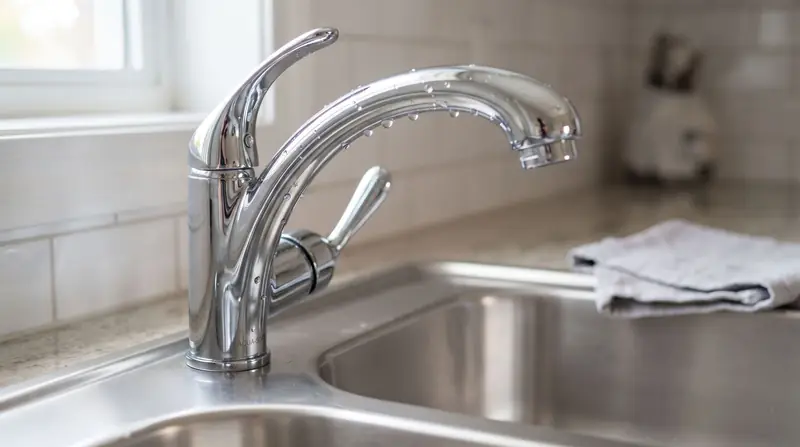
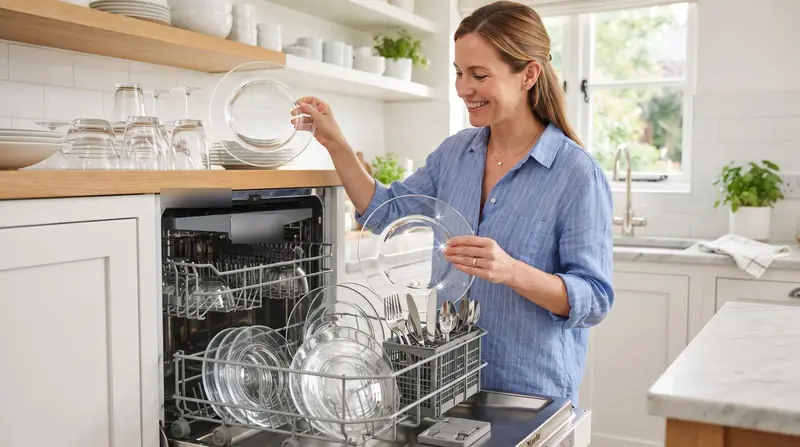
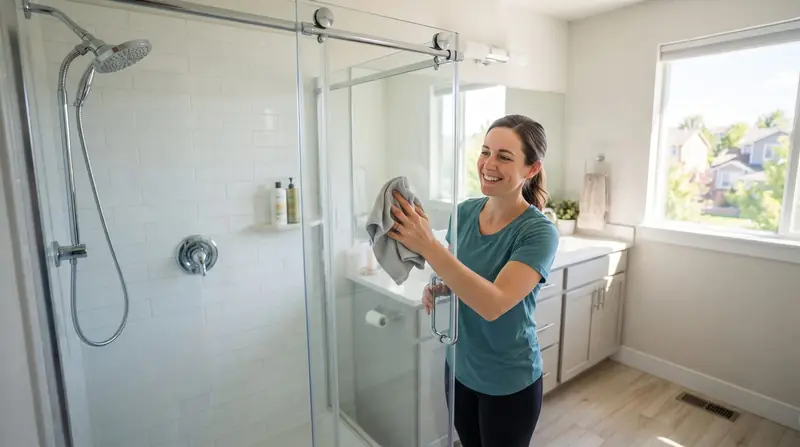
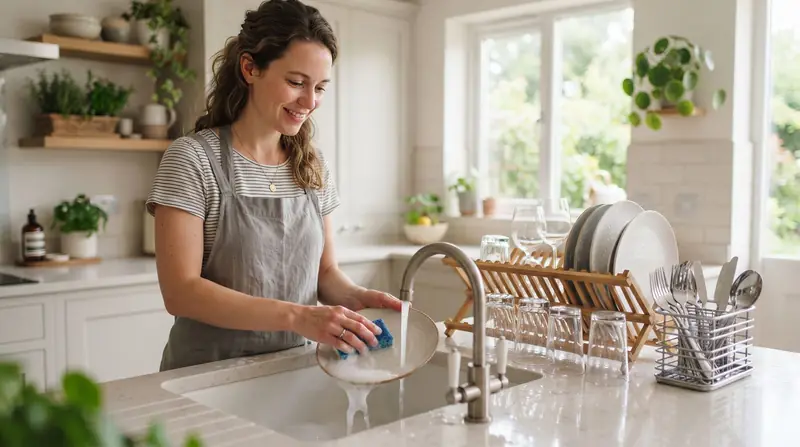
That is enough to show up around the house. Glasses come out of the dishwasher cloudy. A white ring builds where water sits on a faucet base. Shower glass streaks a day after you clean it. Inside a water heater, the same minerals settle as scale, and a tankless heater’s narrow passages feel it first.
The 2020 figure is the newest dated hardness number we found. The state-filed reports for 2024 and 2025 list no hardness value at all, so the honest way to know your number today is a test at your own kitchen tap. A test strip or a lab report gives you a figure to set a softener by, rather than a guess.
What we install
Most water complaints in an Aurora home fall into a few groups. Each one points to a different kind of equipment, and buying the wrong one is the most common way to spend money and still have the problem.
Spots, crust and scale
A softener removes the calcium and magnesium that leave white crust on fixtures and scale in heaters. We size it to your household and the hardness your tap actually shows.
Softener installation
Hardness plus taste or sediment
When hardness is only part of it, a filter stage ahead of or after the softener can handle sediment or a disinfectant taste for every tap in the house.
Whole-house systems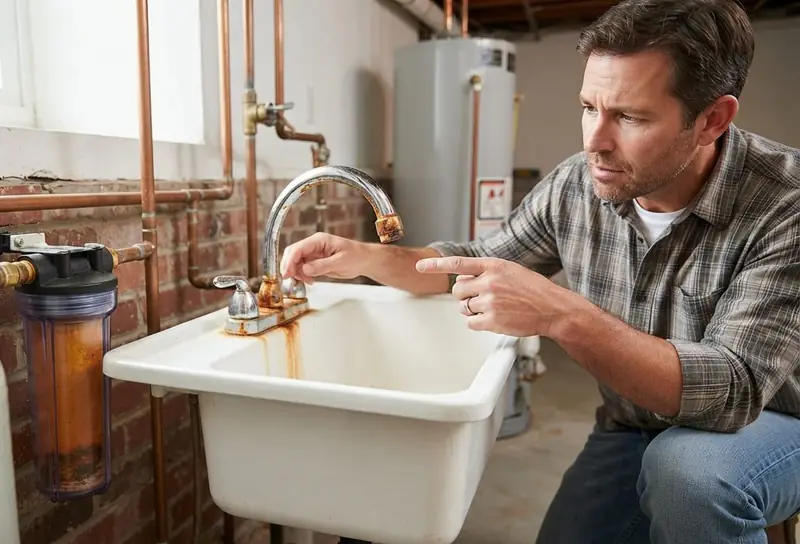
Orange stains and metallic taste
Iron is a separate job from hardness. An iron filter takes it out before it reaches the softener, which keeps the softener’s resin from fouling.
Iron filtrationA softener treats the whole house; a reverse osmosis system treats the water you drink and cook with at one kitchen faucet. Many homes pair the two: softened water for showers, laundry and appliances, and a small under-sink unit for coffee, ice and cooking. Ask about it on the same call.
Comparing types of equipment before you call can help you ask sharper questions.

When you call

Realistic results
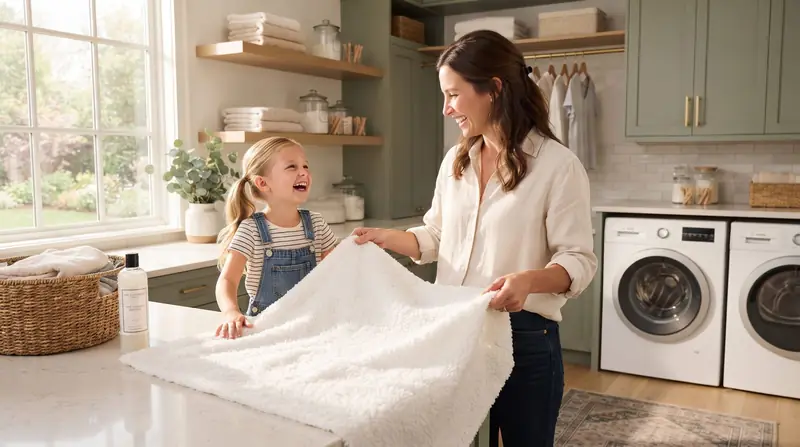
With hardness removed, soap and shampoo lather with less product, glassware dries clearer and new scale stops forming on fixtures and inside the water heater. Laundry tends to feel softer because detergent is not fighting minerals. Those changes are measurable: you can test the water before and after and see the hardness number drop.
A softener will not fix everything. It does not remove iron at the levels that cause orange stains, and it does not filter out tastes or smells. It also will not dissolve the scale already sitting in an old heater. That is why we ask what you are seeing first and point you to a filter or an iron system when hardness is not the real issue.

Guides
Where white spots come from and what scale does to heaters and appliances.
Resin, brine and regeneration, and what each means for your settings.
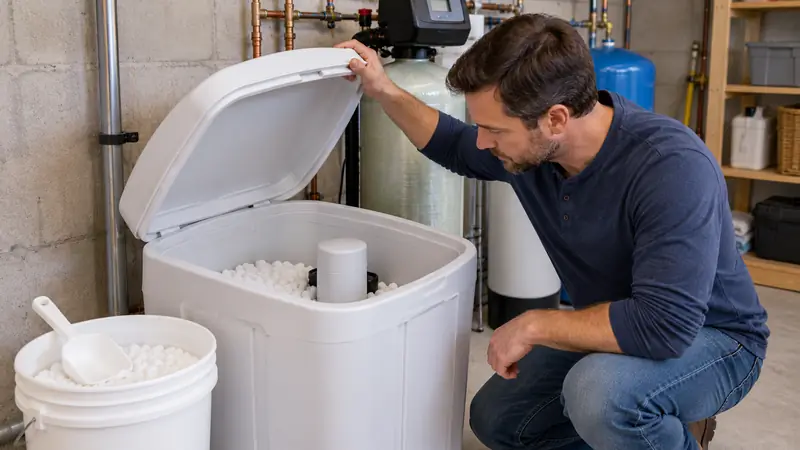
How often to clean it, and the signs it needs attention sooner.
Why orange stains usually need an iron filter, not a bigger softener.
Aurora's treated city water, and why your own tap number decides the system.
Partly. The City’s 2020 Water Quality Report says the plant lime-softens the blend of Fox River and well water, and it still gave an average of 120 to 140 mg/L (7 to 8 grains per gallon) at the tap. Many homes still see spots and scale at that level.
Only if a test shows both hardness and iron. Orange or brown staining usually points to iron, which a dedicated iron filter handles better than a softener.
Yes. Reverse osmosis drinking water systems are one of the systems we install, often alongside a softener.
Contact Aurora Water Softener
Call Aurora Water Softener and describe what you are seeing. Call us or use the form to describe what you are noticing at the tap.
Call 331-258-1848 Map location: 403 West Galena Boulevard, Aurora, IL 60506Send a message
Share your question and contact details in the form below.