
Service · Aurora, Illinois
Water softener installation in Aurora, IL
Aurora Water Softener installs water softeners for homes in Aurora, Illinois. A softener takes out the calcium and magnesium that leave white crust on fixtures, spots on glasses and scale inside your water heater. We size the system to your household and to the hardness your own tap shows, then install it so softened water reaches every faucet, shower and appliance that needs it.
The problem
What hard water is doing in an Aurora home
The City of Aurora’s 2020 Water Quality Report says the treatment plant lime-softens the blend of Fox River and well water before it enters the mains, and still gave an average hardness of 120 to 140 mg/L, about 7 to 8 grains per gallon. On Penn State Extension’s scale that sits at the boundary of moderately hard and hard. Newer state-filed reports do not list hardness, so treat the 2020 average as background and your own tap test as the number that counts.
At that level, the signs are familiar:
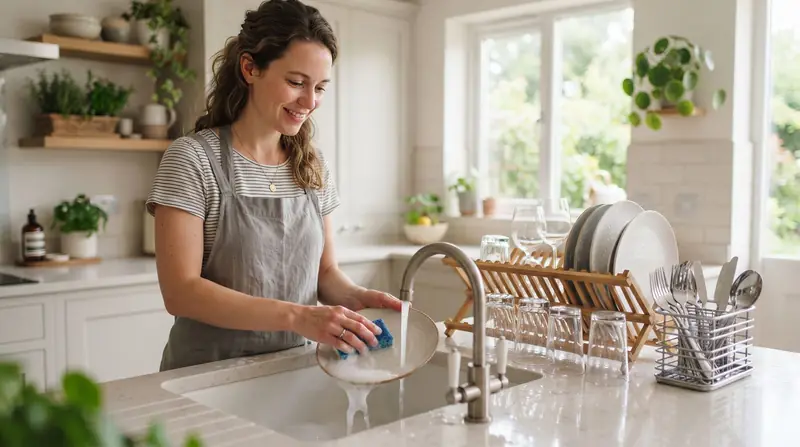
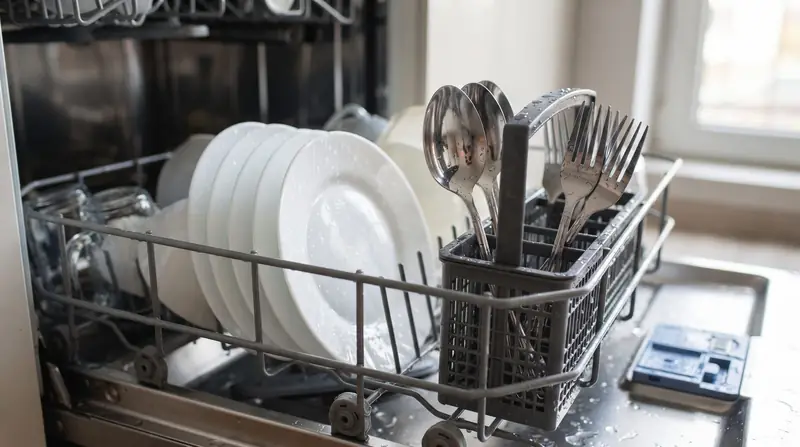
- Cloudy film on glasses and spots on silverware after the dishwasher
- White crust around faucet bases, shower heads and aerators
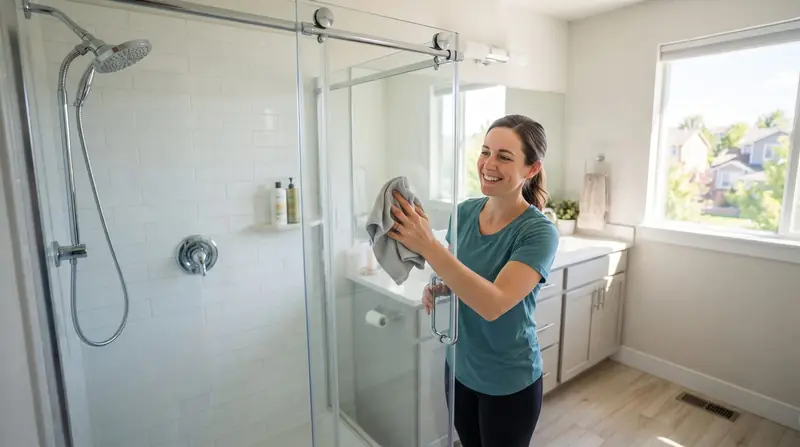
- Shower glass that streaks a day after cleaning
- Soap and shampoo that take more product to lather
- Towels and clothes that feel stiff out of the dryer
- A water heater that pops or rumbles as scale builds on the bottom
None of these is dangerous, but they cost time and money. Scale insulates heating elements, so heaters work harder. Detergents work less well. Fixtures lose their finish sooner.
The fix
How a softener solves it
A softener sends incoming water through a tank of resin beads. The beads hold sodium (or potassium) and trade it for calcium and magnesium as the water passes. Softened water then flows on to the rest of the house. When the resin is full of hardness, the control head runs a regeneration: brine from the salt tank washes the hardness off the beads and down the drain, and the resin is ready again.
Modern demand-based controls count the gallons you use and regenerate only when the resin needs it. That matters for salt and water use, and it is the main reason sizing and programming get so much attention.
Read the full softener guide for the parts and settings in more detail.

Sizing
What decides the right softener for your home
A softener that is too small regenerates constantly and may let hardness through at busy times. One that is too large costs more up front and can sit idle long enough for the resin to channel. The right size comes from a few numbers:
- Hardness at your tap. A test strip or lab report, in grains per gallon. If iron shows up too, it changes the plan.
- People in the home. Daily use scales with the household.
- Peak flow. Several bathrooms running at once need a valve and tank that keep pressure up.
- Water heater type. Tankless units are especially sensitive to scale.
- Space and plumbing. Where the main comes in, where the drain is and whether there is room for a brine tank.
The example below shows the arithmetic with sample numbers. It is the same calculation we walk through on a call, using your figures.

What to expect
From the first call to soft water
- Call and describe the problem. Spots, scale, stiff laundry or a heater that is getting louder.
- Share a tap test if you have one. If not, we can talk about the simplest way to get a number.
- Choose the system. We explain which size and control type fit and why.
- Installation. The softener goes in where the water line and a drain are within reach, with a bypass valve so it can be serviced without shutting off the house.
- Settings and salt. The control is set to your measured hardness, and you learn how to check the salt and use the bypass.

Honest limits
What a softener will change, and what it will not
After installation, hardness at the tap should test near zero. You should see fewer spots, less new crust on fixtures and better lather, and new scale stops forming in the heater. Those are measurable changes: test before and after.
A softener does not remove orange iron staining at the levels that cause it, does not filter tastes or odors and will not clear scale that has already built up in an old heater. If iron or taste is part of your problem, a dedicated iron filter or a whole-house filter and softener is the better fit.
Some people prefer to keep one unsoftened tap for drinking water. If sodium is a concern, a reverse osmosis unit at the kitchen sink is a common pairing.
Softener installation questions
Does Aurora’s city water really need softening?
It depends on your tolerance and your tap. The City’s 2020 report gave an average of 7 to 8 grains per gallon after plant treatment. Many households notice spots and scale at that level; some do not mind it. A test helps you decide.
Where does the softener go?
Usually near where the main water line enters, often in a basement or utility room, with access to a drain and space for the brine tank.
Can a softener be set for a private well?
Yes, but well water should be tested for hardness and iron first, because iron changes the equipment you need.
Contact Aurora Water Softener
Want softer water?
Call Aurora Water Softener to talk through sizing and installation. Call us or use the form to describe what you are noticing at the tap.
Call 331-258-1848 Map location: 403 West Galena Boulevard, Aurora, IL 60506Send a message
Tell us about your water
Share your question and contact details in the form below.